Get 20% off on worm castings!
The Benefits of Growing Your Own Worms: A Guide to Vermiculture
2/15/20262 min read
Introduction to Vermiculture
Growing your own worms, whether in a container or in your garden, is an increasingly popular practice among gardeners and eco-conscious individuals. This process, known as vermiculture, harnesses the natural decomposition abilities of worms to improve soil health and enhance plant growth. In this blog post, we will explore the advantages of cultivating your own worms, how to get started, and the maintenance involved.
Advantages of Growing Your Own Worms
One of the primary benefits of raising your own worms is the production of vermicompost, a nutrient-rich organic fertilizer derived from worm castings. This natural fertilizer is packed with beneficial microorganisms, making it an excellent supplement for enhancing plant nutrition. Additionally, using vermicompost can help improve soil structure and water retention, leading to healthier plants and crops.
Another significant advantage is the reduction of kitchen waste. Worms can consume food scraps that would otherwise end up in a landfill. By turning these scraps into compost, you are not only helping the environment but also creating a sustainable cycle of gardening. Moreover, growing your worms can be done in small spaces, making it an accessible option for urban gardeners.
How to Start Your Own Worm Farm
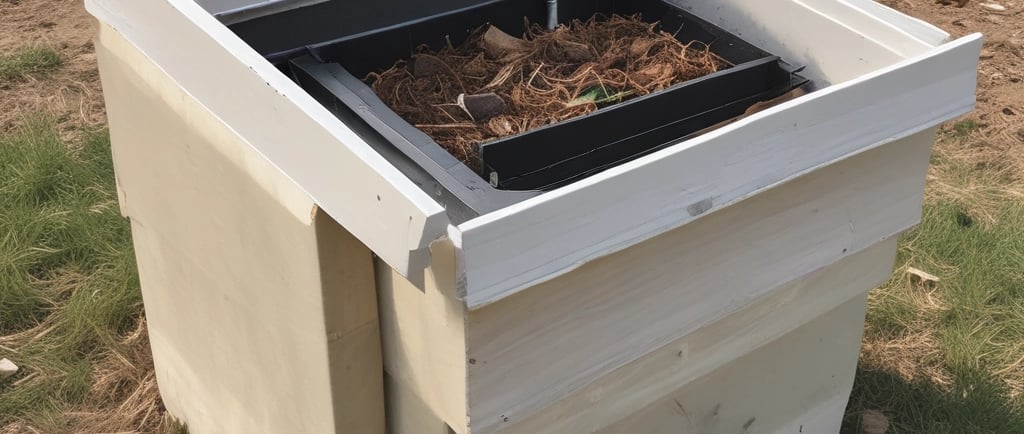
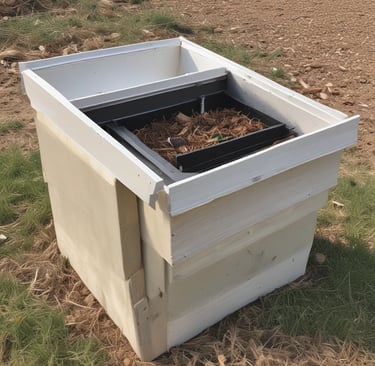
Getting started with your worm farm is relatively simple. First, you need to choose the right container. A plastic bin or a wooden box with proper ventilation will work well. Ensure that it has drainage holes to prevent excess moisture, as worms thrive in a balanced moisture environment.
Next, select the type of worms suitable for composting. Red wigglers (Eisenia fetida) are highly recommended due to their voracious appetite and ability to reproduce quickly. Populate your container with these worms and add bedding material such as shredded newspaper or cardboard to create a comfortable habitat.
Once your worms are settled in, begin adding organic waste to their diet, ensuring to balance greens (fruit and vegetable scraps) with browns (dry leaves and cardboard). Over time, you’ll notice the waste being converted into rich compost, ready to be used in your garden.
Maintaining Your Worm Farm
Maintaining your worm farm involves regular monitoring of moisture levels and temperature. Ideal conditions should be kept moist but not soggy. Additionally, it’s crucial to avoid adding citrus fruits, onions, or garlic, as these can be harmful to worms.
Every few months, you should harvest the compost produced by your worms. This can be done by moving the existing compost to one side of the bin and placing fresh bedding and food on the other side. The worms will migrate to the fresh material, allowing you to collect the mature compost easily.
In summary, growing your own worms in a container or in your garden offers numerous benefits, from producing high-quality compost to reducing kitchen waste. By following the outlined steps, anyone can enjoy the many advantages of vermiculture, contributing to both personal gardening success and broader environmental efforts.
Sustainability
Enhancing gardens with eco-friendly worm solutions.
Worms
© 2025. All rights reserved.